
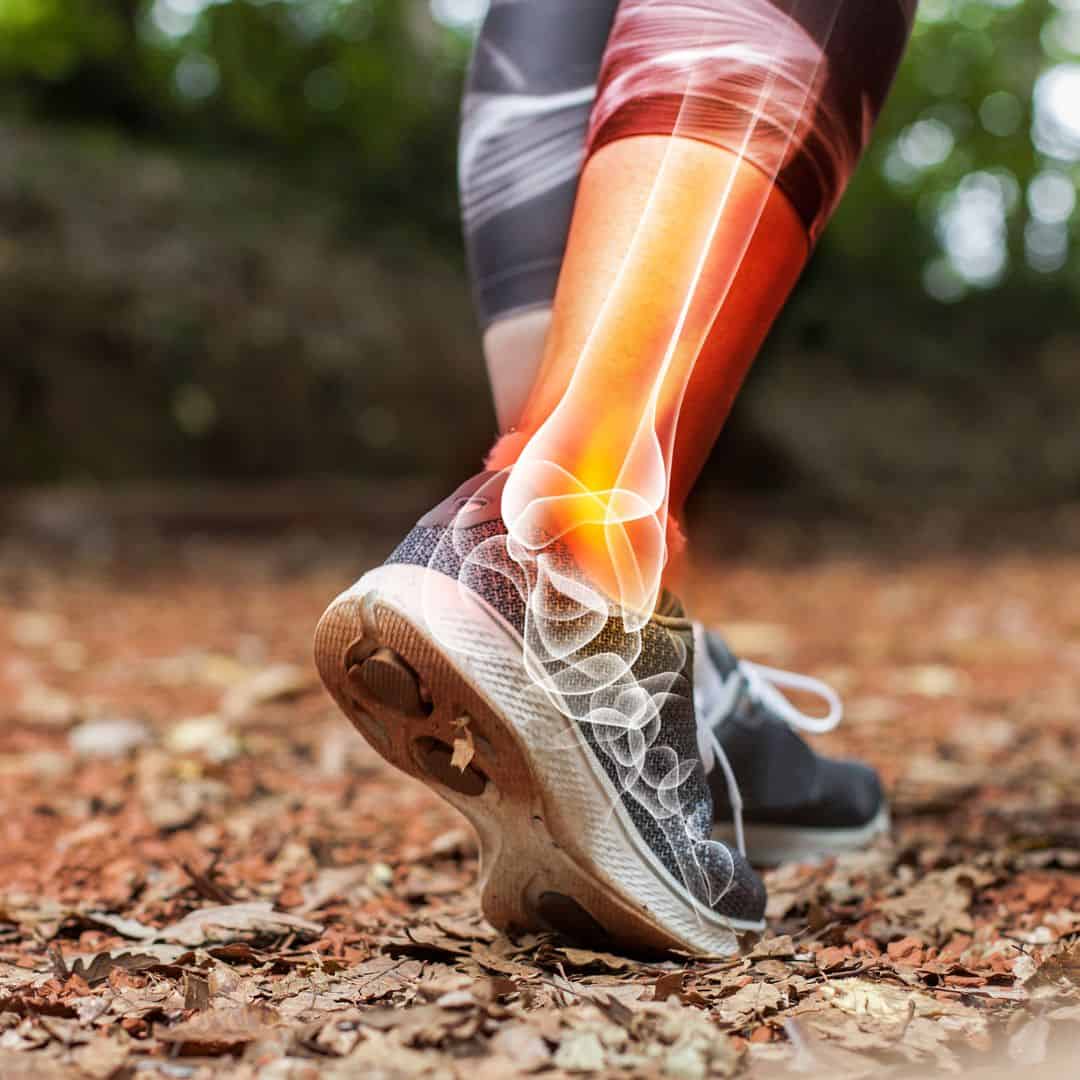
You tell yourself it is just a tweak. A tight calf after a run, a sore shoulder after the gym, a hamstring that “nearly” pulled during weekend sport. Then weeks pass, training feels off, and suddenly your body is negotiating every movement. Sports injuries sometimes arrive dramatically with fanfare (and swearing.) But more often, they creep in and refuse to leave.
If an injury is lingering, flaring up, or simply not feeling right, call Body@Boronia at (03) 9762 9445 to book an osteopathic assessment. In the meantime, let’s talk about what’s going on and, more importantly, what you can do about it.
Sports injuries are rarely just one problem
When a sports injury occurs, whether it is a rolled ankle, a strained hamstring, or a shoulder injury from repetitive lifting, the body responds as a whole. Muscles tighten to protect the area, joints may move less, and movement patterns subtly change.
For example, a runner with a calf strain may unconsciously shorten their stride. Over time, that altered movement can increase load through the knee, hip, or lower back. Even after the calf tissue settles, the compensation pattern can remain, leaving the body out of balance and more vulnerable to further injury.
Our osteopaths approach sports injuries by looking beyond the painful area and assessing how the injury has influenced the entire system.
Gentle manual techniques that support healing
Osteopathic treatment uses hands-on techniques that are adapted to the individual, their injury, and the stage of healing. These techniques are generally gentle and aim to support the body’s natural ability to recover rather than force change.
An osteopath may work with muscles, joints, and soft tissues to improve mobility, reduce excessive tension, and support circulation. Joint mobilisation can help restore normal movement where stiffness has developed, while soft tissue techniques aim to encourage tissue adaptability and comfort.
Treatment always respects tissue tolerance. Acute injuries require a different approach from long-standing or recurring issues, and osteopathic care adapts as recovery progresses.
Fascia - and why injuries affect more than one area
Fascia plays an important role in sports injury recovery. This connective tissue network surrounds and links muscles, bones, nerves, and organs, forming continuous lines of tension and movement throughout the body.
After injury, fascia may become restricted or less elastic, limiting how forces move through the body. A knee injury, for instance, may influence fascial connections into the thigh, pelvis, or lower back. A shoulder injury may affect the neck or upper spine.
Osteopathic techniques aim to support healthy fascial movement, helping tissues glide and share load more efficiently. This can reduce strain on healing areas and support smoother, more coordinated movement.
Restoring balance after injury
A core principle of osteopathy is balance. After a sports injury, the body often shifts load away from the injured area. While this protects the tissue in the short term, long-term compensation can increase stress elsewhere.
Osteopaths assess posture, gait, and functional movement to identify where the body may be overworking or underworking. Treatment focuses on helping the body redistribute load more evenly again, rather than relying on a single area to do too much.
For active people and athletes, this balanced approach supports more efficient movement and may help reduce the risk of repeat injury.
Care that goes beyond the treatment table
Osteopathy does not stop when you leave the clinic. Osteopaths commonly provide practical advice to support recovery between sessions. This may include guidance on pacing activity, returning to training gradually, or addressing movement habits that may be contributing to strain.
Lifestyle factors also matter. Sleep, hydration, stress, and recovery time all influence tissue repair and resilience. Osteopathic care considers these factors as part of a holistic approach, recognising that healing does not happen in isolation.
Rather than strict rules, osteopathic advice aims to be realistic and sustainable, supporting recovery alongside everyday life.
Supporting long-term resilience, not just symptom relief
Recovering from a sports injury is not only about settling pain. It is also about restoring confidence in movement and reducing the likelihood of recurrence.
By addressing tissue health, movement patterns, and whole-body balance, osteopathy aims to support long-term function. Ongoing reassessment allows care to evolve as the body changes, ensuring treatment remains appropriate at each stage of recovery.
When osteopathy may be worth considering
If a sports injury keeps returning, feels slow to resolve, or seems to cause discomfort elsewhere in the body, osteopathic assessment may help uncover contributing factors that are easy to miss.
Call Body@Boronia on (03) 9762 9445 to book an appointment and have a proper conversation about your injury and recovery goals. Follow us on social media for more insights into keeping your body balanced, resilient, and ready for sport, ideally without another “it will be fine” moment that turns into six weeks on the sidelines.
References
When needed, we research our content using a range of sources across both web and books. Regular references we use include:
Foundations of Osteopathic Medicine, 4th ed. Seffinger et al. 2019
Thieme Atlas of Anatomy, 4th ed. Gilroy et al. 2021.
Clinical Sports Medicine: Injuries, 5th ed. Brukner & Khan. 2017.
Principles of Anatomy & Physiology, 13th ed. Tortora & Derrickson. 2011.
Differential Diagnosis and Management for the Chiropractor. 5th ed. Souza. 2016.
Physiopedia website – https://www.physio-pedia.com/home/
Pubmed website for latest articles – https://pubmed.ncbi.nlm.nih.gov/
Google Scholar for latest articles – https://scholar.google.com/
World Health Organisation website – https://www.who.int/
Osteopathy Australia website – https://osteopathy.org.au/
Australian Physiotherapy Association website – https://australian.physio/
Chiropractic Australia website – https://www.chiropracticaustralia.org.au/
Professional bodies websites and health conditions charity websites, like Arthritis Australia – https://arthritisaustralia.com.au/