Knee & Hip Pain: What You Need to Know

Knee and hip pain are common complaints affecting people of all ages and activity levels. Though they may seem like isolated joint issues, they often reflect deeper biomechanical, muscular, or structural imbalances. At Body@Boronia, we take a holistic perspective, recognising that your knees and hips don’t act alone – they’re influenced by foot alignment, gait patterns, muscle strength, posture, and movement habits.

Some key points to understand:

  • Pain in the knee or hip can restrict mobility, quality of life, and day-to-day function (walking, climbing stairs, sitting → standing).
  • Problems in one area (e.g. feet, ankles, hips, lower back) can propagate stress through the kinetic chain, amplifying symptoms.
  • Early assessment and intervention often yield better long-term outcomes than waiting until pain becomes severe or chronic.
  • Treatment is rarely “one size fits all” – a patient-centred plan combining mechanical correction, soft tissue work, movement retraining, and functional strengthening tends to be the most successful approach.

In short: knee and hip pain are signals, not just symptoms. With the right diagnosis and care strategy, meaningful improvement is achievable.

Underlying Causes and Risks

To address knee and hip pain effectively, it’s essential to understand the wide range of contributing causes and risk factors. Often, multiple factors interact. Here’s what we look for:

Mechanical & Biomechanical Factors

  • Abnormal gait or alignment (overpronation, supination, leg-length discrepancy, femoral rotation)
  • Weakness or imbalances in hip, glute, quadriceps, hamstring, or calf musculature
  • Reduced joint mobility or stiffness (ankle dorsiflexion, hip internal/external rotation)
  • Joint hypermobility or instability in knee or hip
  • Muscle tightness (hip flexors, adductors, ITB, quadriceps, hamstrings)
  • Cumulative microtrauma due to repeated loading (walking, running, jumping)

Structural, Degenerative & Injury-related Factors

  • Osteoarthritis (hip, knee) or cartilage wear
  • Meniscal tears, ligament injuries, labral tears
  • Bursitis (e.g. trochanteric bursitis)
  • Iliotibial band syndrome (ITB syndrome)
  • Patellofemoral pain syndrome (PFPS), chondromalacia
  • Stress fractures in femur, pelvis, tibia
  • Hip impingement (femoroacetabular impingement)
  • Previous injury or surgery (ACL, meniscus, hip surgeries)

Systemic & Lifestyle Factors

  • Age-related degeneration and wear
  • Overweight or obesity (extra mechanical load on joints)
  • Sedentary lifestyle, muscle deconditioning
  • Sudden increase in activity load, sports participation
  • Poor footwear or surfaces that amplify joint impact
  • Genetic predisposition or congenital structural variants
  • Hormonal, inflammatory or metabolic conditions affecting joint health

Because the hip and knee sit in the middle of the lower limb chain, foot and ankle mechanics (as assessed in podiatry) frequently play a pivotal role. For example, foot posture or gait abnormalities can lead to altered forces through the knees or hips.

Diagnosis, Detection and Evaluation

At Body@Boronia, we combine thorough assessment, objective measurement, and clinical reasoning to pinpoint the root causes of knee or hip pain.

1. Clinical History & Interview

  • Onset, nature, location, and progression of pain
  • Triggers and alleviating factors (e.g. stairs, sitting, walking, running)
  • Previous injuries or surgeries, systemic health issues
  • Activities, load history, change in training or lifestyle
  • Footwear, surfaces, occupational demands

2. Physical & Functional Examination

  • Inspection of posture, lower limb alignment, gait observation
  • Joint ranges of motion (hip flexion, extension, rotation; knee flexion/extension)
  • Muscle strength and activation tests (glutes, quads, hip abductors/adductors)
  • Flexibility and length tests (hamstrings, ITB, hip flexors)
  • Palpation to locate tenderness (bursae, tendons, joint margins)
  • Special tests (e.g. various provocative maneuvers for labral tear, impingement, meniscal signs)
  • Functional tasks (squats, step-downs, single-leg balance)
  • Biomechanical and gait analysis (possibly with video, pressure plates, foot scan)

3. Imaging & Diagnostic Investigations (if needed)

  • X-rays / radiographs to evaluate joint space, bone changes, osteoarthritic changes
  • MRI or CT scans for soft tissue details (meniscus, cartilage, labrum)
  • Ultrasound for tendons, bursae, muscle tears
  • Bone scan / DEXA for stress fractures or bone health
  • Lab tests in cases of inflammatory or systemic disease

By triangulating findings from history, physical testing, and imaging, we formulate a working diagnosis and a targeted treatment plan.

Treatment Options

Our treatment philosophy is to combine the best of conservative, rehabilitative, and (if necessary) advanced interventions – always personalised to your situation.

A. Conservative & Non-Surgical Strategies

1. Activity modification & load management

  • Adjust or temporarily reduce aggravating activities
  • Use alternatives or cross-training to maintain fitness

2. Biomechanical correction & orthoses

  • Custom or semi-rigid orthotics or insoles to correct foot mechanics that influence knee/hip loads
  • Footwear selection (stable, cushioned, well-fitting)

3. Manual therapy & soft tissue work

  • Myofascial release, trigger point therapy, instrument-assisted soft tissue mobilisation
  • Joint mobilisation (hip, knee, ankle, pelvis)
  • Cupping, dry needling, soft tissue stretching

4. Therapeutic exercise & rehabilitation

  • Progressive strengthening (glutes, core, quads, hamstrings)
  • Neuromuscular re-education and motor control (e.g. hip stability, knee alignment)
  • Flexibility and mobility drills
  • Balance, proprioception, single-leg tasks

5. Modalities & adjunct therapies

  • Shockwave therapy for tendinopathies
  • Laser therapy, ultrasound, electrical stimulation
  • Taping or kinesiology tape to assist alignment
  • Heat, cold therapy as appropriate

6. Pain management & supportive care

  • NSAIDs (if appropriate and advised by your GP)
  • Referral for corticosteroid injections or regenerative injections (PRP, etc.) in selected cases
  • Bracing, knee sleeves, hip supports

B. Advanced & Surgical Considerations

If symptoms persist despite conservative care, or if structural damage is significant, the following may be considered:

  • Referral to an orthopaedic or hip/knee surgeon
  • Surgical options (meniscal repair, joint resurfacing, arthroplasty, osteotomy, cartilage repair)
  • Pre- and post-operative rehabilitation support (strength, mobility, recovery planning)

Throughout treatment, we emphasise a gradual, monitored return to activity, with feedback loops to adjust as needed.

What to Expect

When embarking on the treatment journey, here’s what you can typically expect:

  • Initial improvement period: With load reduction, manual therapy, and basic exercises, many patients notice symptom relief within weeks.
  • Progressive rehabilitation: Over subsequent weeks to months, focus shifts to strengthening, movement control, and function.
  • Plateaus and setbacks: It’s normal to have fluctuations or minor setbacks; adjustments to the program or revisiting mechanics help.
  • Realistic timelines: Mild-to-moderate cases often improve in 8–12 weeks; more chronic or structural cases may take months or longer.
  • Ongoing maintenance: Once symptoms resolve, continued strength, flexibility, gait checks, and orthotic or footwear review help prevent recurrence.
  • Objective monitoring: Reassessment at intervals (3, 6, 12 months) can track progress and guide ongoing tweaks.

Be prepared: you’ll play an active role (exercises, adherence, lifestyle choices) – our role is to guide, support, and correct.

Living With Knee & Hip Pain

Even as you undergo treatment, managing your daily life and expectations matters. Here are strategies to help you live better while healing:

  • Prioritise low-impact activities (swimming, cycling, walking) to maintain fitness
  • Use pain as a guide – push cautiously but avoid flare-ups from overdoing it
  • Alternate weight-bearing and rest periods
  • Incorporate joint-friendly strength and flexibility routines into daily life
  • Use supportive and stable shoes; rotate pairs; avoid worn soles
  • Monitor posture, ergonomics at work or home
  • Warm up thoroughly and cool down after exercise
  • Use heat, ice, or compression as needed
  • Maintain a healthy weight and good nutrition to reduce joint load
  • Manage stress and sleep – they influence inflammation and recovery
  • Consider community or group classes that emphasise movement control (e.g. Pilates, yoga)

Over time, your goal is not simply to reduce pain – but to regain confidence in movement, restore function, and prevent future joint stress.

When To Book an Appointment

It’s wise to seek professional assessment earlier rather than waiting. You should consider booking an appointment if:

  • Your hip or knee pain persists beyond a week or two
  • Pain limits walking, stairs, sitting → standing, or everyday tasks
  • Pain recurs with activity after a period of rest
  • You feel instability, giving way, clicking, locking, or unusual sensations
  • Swelling, stiffness or reduced range of motion develops
  • Symptoms worsen overnight or first thing in the morning
  • Pain radiates down the leg, into the foot, or is associated with numbness/tingling
  • You’ve tried rest or self-care and not seen meaningful improvement
  • You want to optimise movement for sport, work, or long-term joint health

At Body@Boronia, our integrated team (podiatrists, osteopaths, myotherapists, exercise physiologists) collaborates to find the root causes of your knee and hip pain and support you through recovery.

Take control of your movement and comfort. Don’t let hip or knee pain hold you back.

Get Expert Help Today

Knee and hip pain can be caused by:

  • ageing
  • direct or indirect injury or trauma
  • long-term poor mechanics
  • over exercise and/or incorrect technique

It can also be hereditary (inherited from parents) or congenital (present from birth).

It can be debilitating and affect your everyday life. Sleeping, walking, to getting up from a chair can become difficult.

Our therapists can diagnose the cause of your pain, and work as a team to create a treatment plan to reduce and manage, and possibly eliminate pain. We are aware that manual therapies and exercise may not be enough, so further investigation may be needed.

About the Knee and Hip

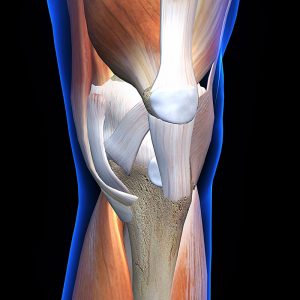
The knee is a complex joint. It only goes through one range of motion - to bend and straighten.

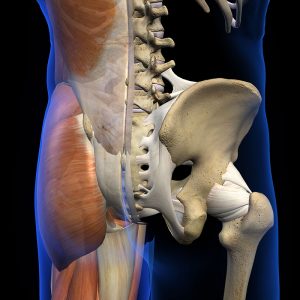
The hip is a more complicated structure. It is extremely strong within the joint, and the muscles and ligaments around it are extra strong and thick to carry the load of the upper body. It is the driving force of the walk of the lower body.

Each joint has several strong ligaments, tendons, and muscle that assist in the movement and stability of these joints. Bursa, cartilage, and meniscus help with the glide and the impact of the knee and hip during these movements.

Common Knee and Hip Conditions We Treat
  • Arthritis pain
  • Bursitis
  • Growing pains in the knees
  • Instability and degeneration
  • Muscle pain
  • Pain associated with poor mechanics
  • Pre-surgery and post-surgery rehabilitation and recovery
  • Tendinopathies
If you experience concerning symptoms, chat with our reception staff to make an appointment with one of our experienced therapists.

Please call

or complete our contact form