
Understanding Scoliosis
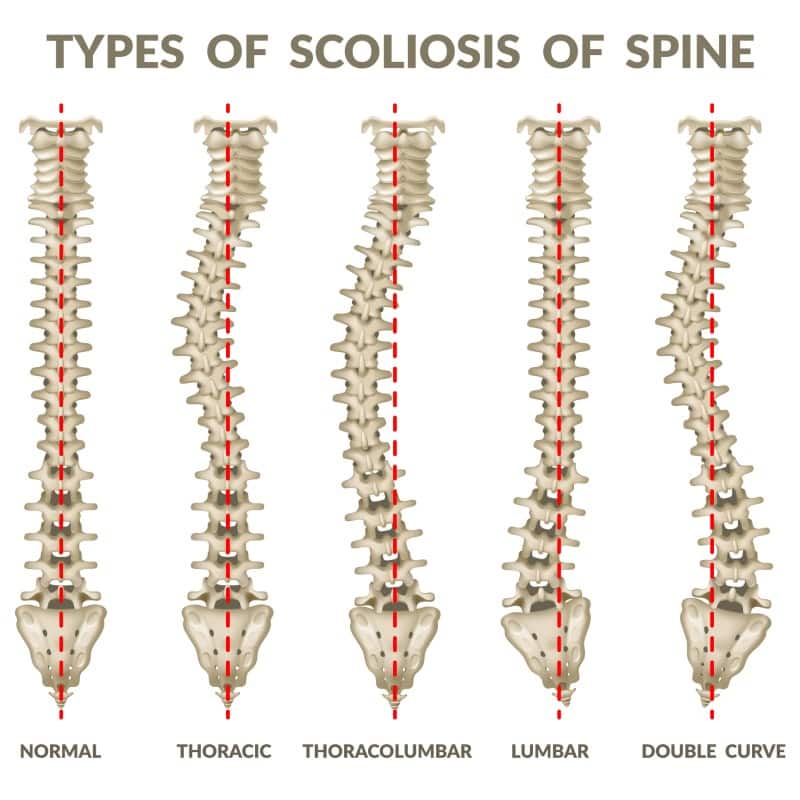
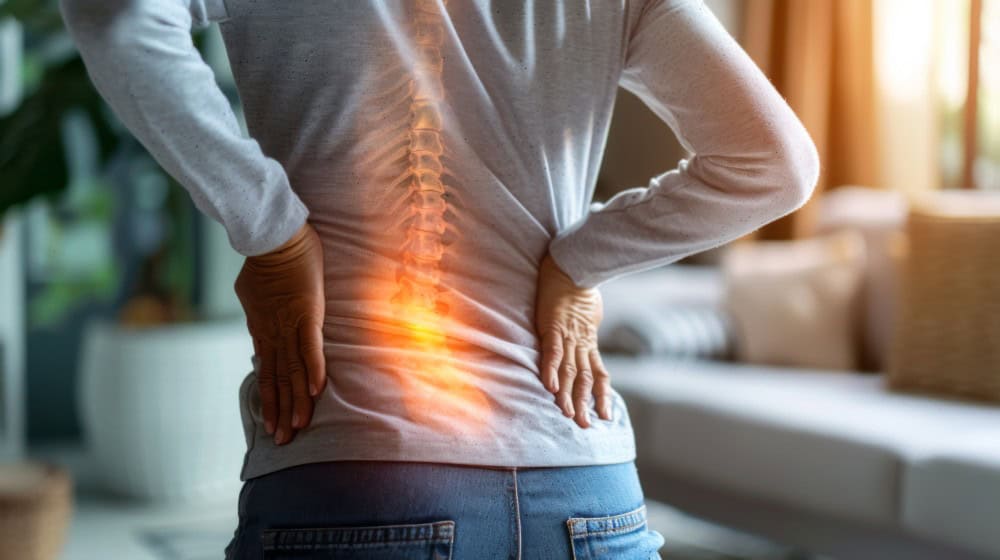
Scoliosis is a musculoskeletal condition where the spine curves sideways in an “S” or “C” shape rather than running straight down the back. Although many people have mild curves that do not cause symptoms, more significant spinal curvature can lead to discomfort, postural changes, and – in some cases – impacts on breathing or physical function. The condition can affect children, adolescents, and adults alike and varies greatly in severity from person to person.
Causes and Risk Factors
In most cases, the exact cause of scoliosis is not known – this is called idiopathic scoliosis. However, scoliosis may arise due to:
- Genetic influences and family history of spinal curvature
- Neuromuscular conditions such as cerebral palsy or muscular dystrophy
- Congenital spinal differences present from birth
- Age-related spinal changes in adults (degenerative scoliosis)
Risk factors include being in the early teen years when growth is rapid and a higher likelihood of curve progression in females than males.
Diagnosis
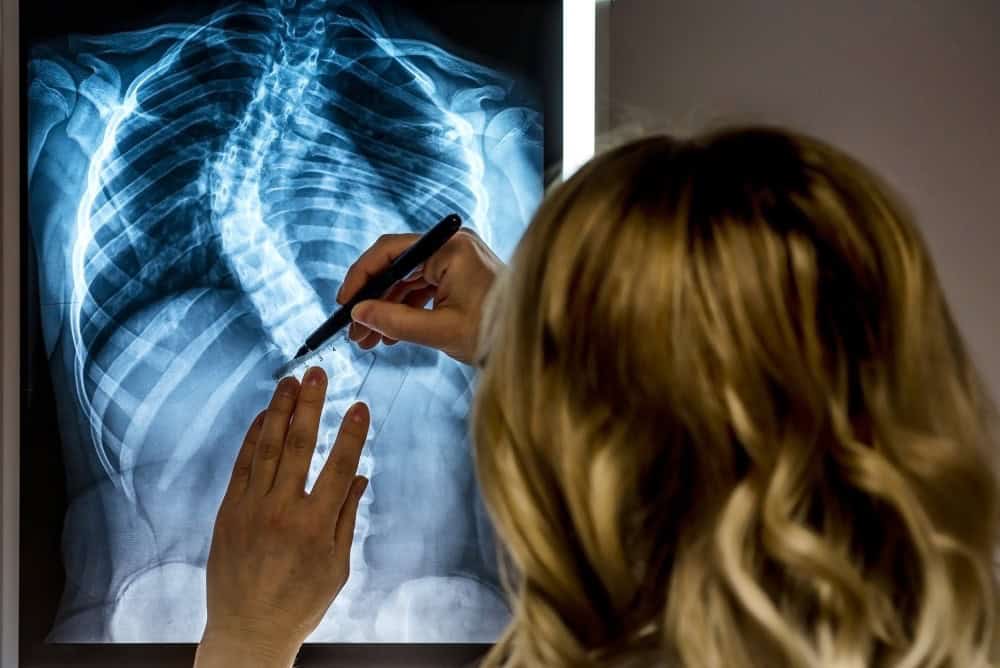
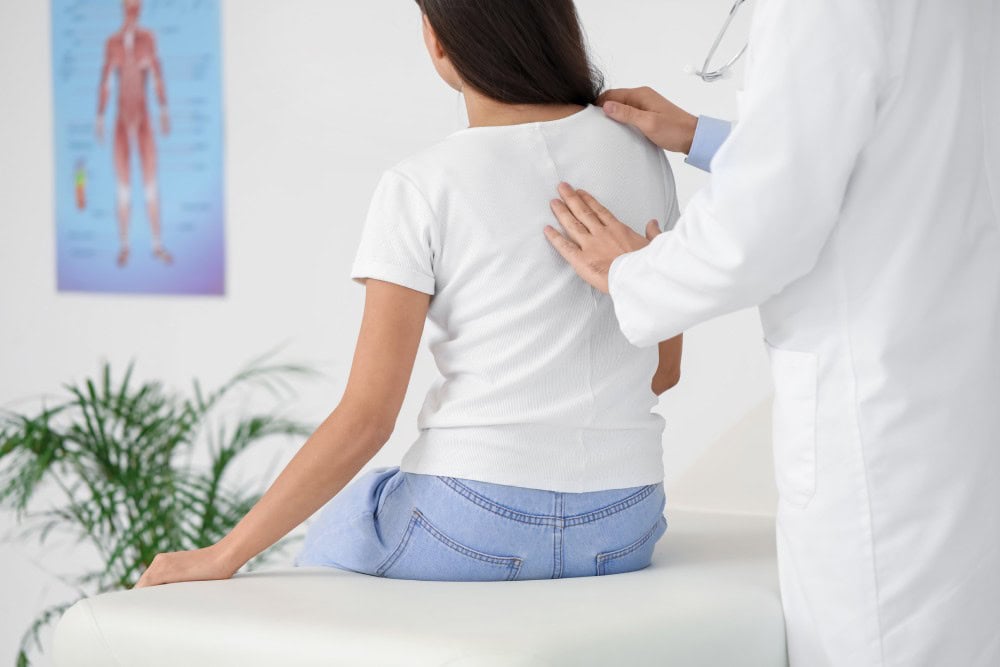
Diagnosing scoliosis typically begins with a physical examination and assessment of posture, shoulder level, and spinal alignment. A clinician may ask you to bend forward to observe any spinal asymmetry. Imaging such as X-rays are essential to confirm the curve’s presence and measure its severity. In some cases, MRI imaging may be recommended to rule out underlying causes involving nerves or soft tissues.
Treatment Options
Treatment for scoliosis depends on several factors including age, severity, and whether the curve is progressing:
Observation
For milder curves, regular monitoring with clinical reviews and follow-up imaging may be sufficient to ensure the condition does not worsen.
Bracing
In growing children and adolescents with moderate curves, a brace may help slow or prevent curve progression. It does not typically straighten the spine but can reduce the risk of worsening during growth.
Physiotherapy and Exercise
Targeted physiotherapy and exercise programs – including core and postural strengthening – can help improve muscle balance, reduce discomfort, and support function.
Surgical Options
For more severe or progressive curves, surgical intervention such as spinal fusion may be considered to stabilise the spine and reduce deformity. Decisions about surgery are made collaboratively, with careful evaluation of risks and benefits.
Living With Scoliosis
Most people with scoliosis are able to lead active, fulfilling lives. Regular physical activity and therapies that support core strength, flexibility, and posture can enhance comfort and function. Pain management, ergonomic adjustments, and professional support also play a role in living well with scoliosis. For children and teens, emotional support and encouragement are important, especially when coping with body changes or wearing a brace.

If you’re experiencing signs of scoliosis such as uneven shoulders, a noticeable curve in the spine, back discomfort, or changes in posture, early assessment and personalised treatment can make a meaningful difference. Contact our clinic to book a consultation and start your journey toward better spinal health, improved movement, and greater confidence in daily activities.
Learn more about this condition: https://www.healthdirect.gov.au/scoliosis
Take Control of Your Spinal Health
Don’t let spinal curvature and pain limit your lifestyle. Our experienced team at Body@Boronia provides thorough assessment and tailored care to support your wellbeing.