

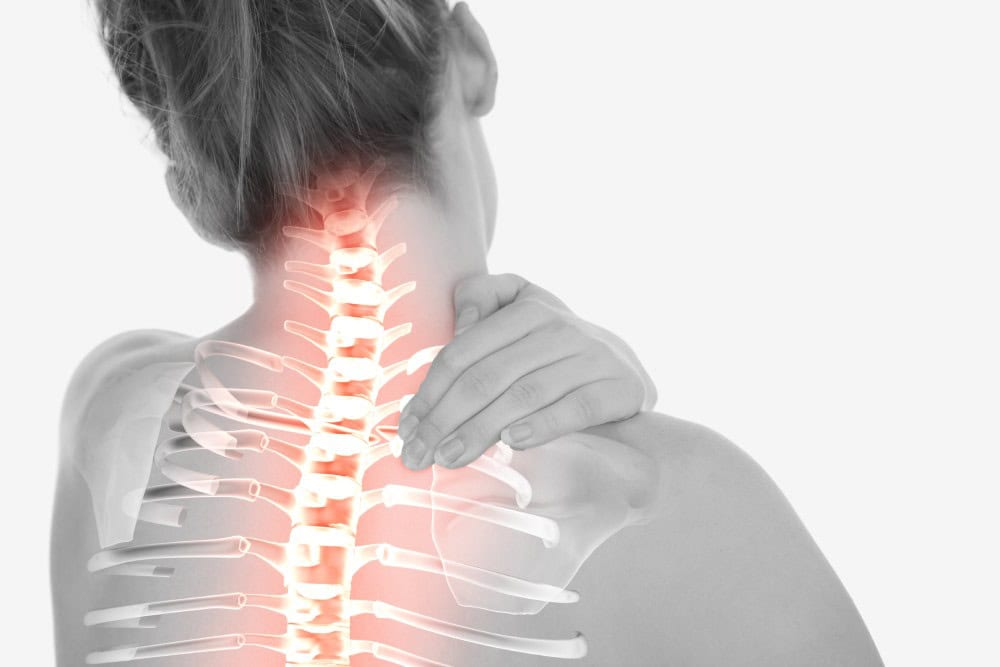
Neck Pain – What You Need to Know
Neck pain is a widespread condition that can range from mild stiffness to sharp, debilitating discomfort. It may stem from muscle tension, joint irritation, posture strain, traumatic injury (such as whiplash), or underlying spinal changes. Neck pain can affect your ability to move, work, sleep or participate in daily activities – making early recognition and management important for recovery and long-term wellness.
Pain may be localised to the neck or accompanied by symptoms such as headaches, shoulder tightness, arm tingling or stiffness, depending on the structures involved.
Common Causes and Risk Factors
Neck pain can arise from a variety of situations, including:
Muscle and Soft Tissue Strain
- Prolonged poor posture (e.g. working at a computer)
- Overuse or repetitive movements
- Sudden forceful movements or lifting
Traumatic Injury such as Whiplash
- Motor vehicle accidents
- Sports impacts
- Falls or rapid jerking motions
Structural and Degenerative Factors
- Arthritis or spinal wear and tear
- Disc irritation
- Age-related changes in spinal joints
Risk Factors
Some people are more prone to neck pain due to:
- Jobs requiring long hours in fixed positions
- Sedentary lifestyle
- Poor ergonomic setup
- Stress and muscle tension
- Previous neck injuries
Lifestyle and biomechanical factors may contribute to symptom severity and persistence.


Diagnosis
A comprehensive assessment is the first step to understanding the cause of neck pain. Your clinician will:
- Take a detailed history of your symptoms and how they developed
- Examine posture, range of motion, muscle strength and joint mobility
- Assess neurological signs such as reflexes, sensation or arm symptoms
- Palpate muscles and soft tissues to identify areas of tension, tenderness or restriction
In some cases, diagnostic imaging such as X-rays, MRI or CT scans may be recommended to evaluate underlying structural or spinal changes if symptoms are persistent or associated with trauma.
Whiplash
Whiplash may occur when the neck moves suddenly and vigorously beyond its usual range of movement, injuring neck muscles, tendons and ligaments. Pain may occur 6-12 hours after an incident. Injuries commonly occur from:
- car accidents
- contact sports such as football and boxing
- being hit by a heavy object
- a fall
Symptoms may include:
- bruising
- headaches
- muscle spasms
- neck movement – loss or reduction
- pain – arm, neck, shoulder
- stiffness
- swelling
- tenderness
Normally symptoms improve within days or weeks; however, some remain for months.
It is essential to see a doctor if neck pain occurs after an injury or car accident. Whiplash-related issues may include:
- blurred vision
- dizziness
- irritability
- lower back pain
- memory problems
- numbness or pain in arms and hands
- pins and needles in arms and hands
- swallowing difficulties
- tinnitus
- tiredness
- vertigo


Treatment Options
Management of neck pain focuses on reducing pain, restoring movement and improving function. Your treatment plan may include:
Manual Therapy
- Soft tissue techniques to relieve muscle tightness
- Joint mobilisation to improve neck and upper back mobility
- Myofascial release to address tension patterns
Therapeutic Exercise
- Stretching tight muscles (neck, shoulder, chest)
- Strengthening deep neck stabilisers and scapular muscles
- Postural correction and movement retraining
Activity Modification & Education
- Ergonomic advice for workstations and daily tasks
- Strategies to reduce strain and prevent flare-ups
- Self-management guidance for ongoing care
Adjunct Approaches
- Heat or cold therapy
- Pain-relief modalities such as gentle electrotherapy
- Supportive taping or bracing where appropriate
Most neck pain responds well to tailored conservative care. In rare cases where neurological compromise or serious injury is suspected, referral to specialists may be considered.
General Notes
Recovery from neck pain varies between individuals and depends on the cause, duration and response to treatment. Early intervention often leads to better outcomes and can help prevent chronic discomfort or recurring episodes.
Many people find significant improvement through a combination of hands-on therapy, targeted exercise and education. Maintaining good posture, regular movement and ergonomic awareness are key components of long-term neck health.

If you’re experiencing symptoms of Neck Pain…
If you’re experiencing symptoms of neck pain – whether from injury, postural strain, headaches, or stiffness – early assessment and personalised treatment can make a significant difference in your comfort and recovery. Contact our clinic to book a consultation and start your journey toward better neck health, improved mobility and lasting relief.
Learn more about this condition:
If you experience concerning symptoms, chat with our reception staff to make an appointment with one of our experienced therapists.