

What Is Arthritis?
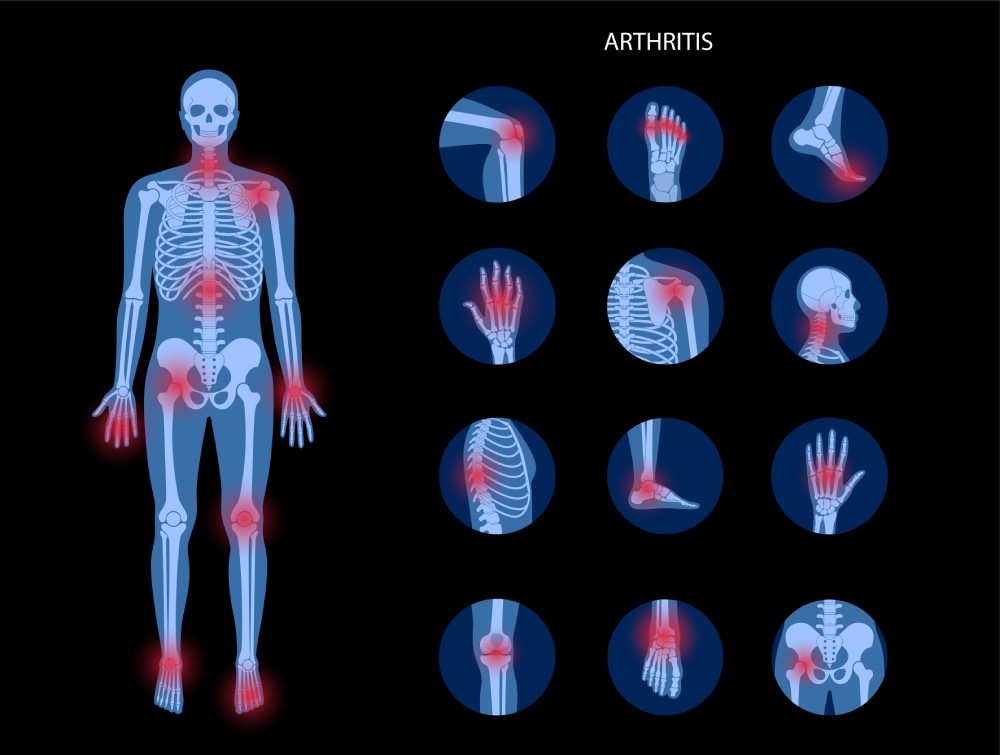
Arthritis is a term for over 100 conditions affecting the joints—where bones meet—causing inflammation, pain, stiffness, swelling, and reduced mobility.
The most common types include:
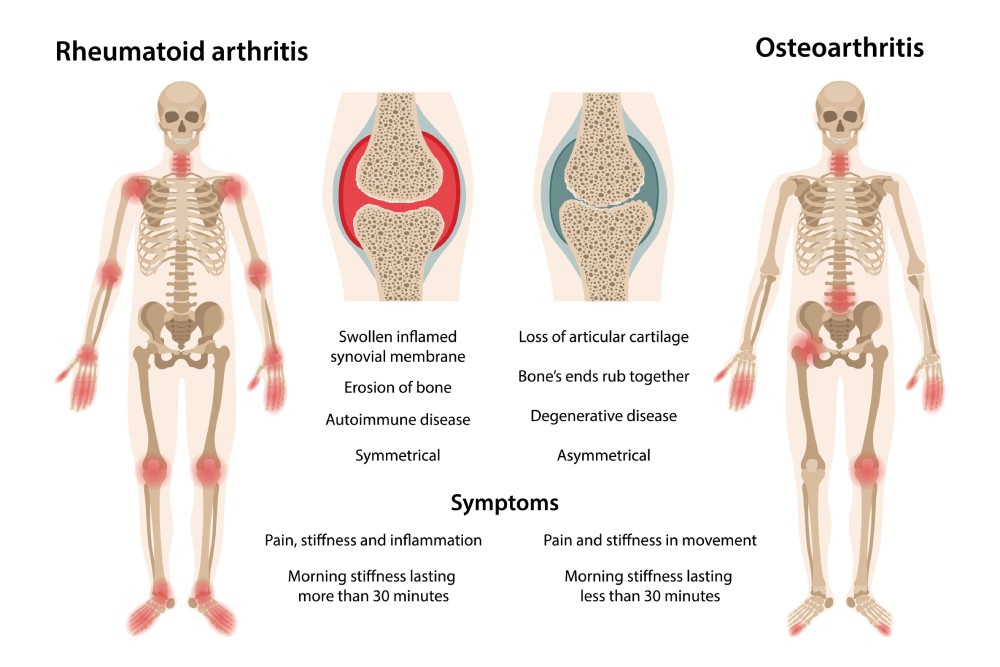
- Osteoarthritis: Wear-and-tear arthritis impacting the whole joint—including bone, cartilage, ligaments, and muscles. Common in knees, hips, fingers, and the big toe. Usually affects individuals aged 40 year plus or those with joint injuries
- Rheumatoid Arthritis (RA): An autoimmune disease in which the immune system mistakenly attacks joint linings, causing pain, swelling, stiffness—especially in the morning—and symmetry in affected joints (often hands and feet)
- Gout: A form of inflammatory arthritis triggered by uric acid crystal buildup—typically affecting the big toe but may also involve hands, wrists, elbows, knees, and ankles. Symptoms include sudden, intense pain and swelling.
Causes and Risks of Arthritis
Arthritis can develop from a range of genetic, environmental, and lifestyle factors. While some causes are unavoidable, understanding the risks can help with early prevention and management.
Common causes and risk factors include:
- Ageing – Risk increases with age due to natural joint wear and tear.
- Genetics – A family history of arthritis may raise your risk.
- Previous joint injury – Past trauma can lead to joint damage and arthritis later.
- Obesity – Extra weight adds stress to joints, especially hips and knees.
- Autoimmune conditions – Rheumatoid arthritis occurs when the immune system attacks joints.
- Infections – Certain bacterial or viral infections can trigger joint inflammation.
- Repetitive movement – Jobs or sports that involve repetitive stress on joints.
Understanding these risks allows for proactive lifestyle choices to help reduce the impact or delay the onset of arthritis.
Diagnosis
Early and accurate diagnosis is essential for effective arthritis management. Your healthcare provider may recommend:
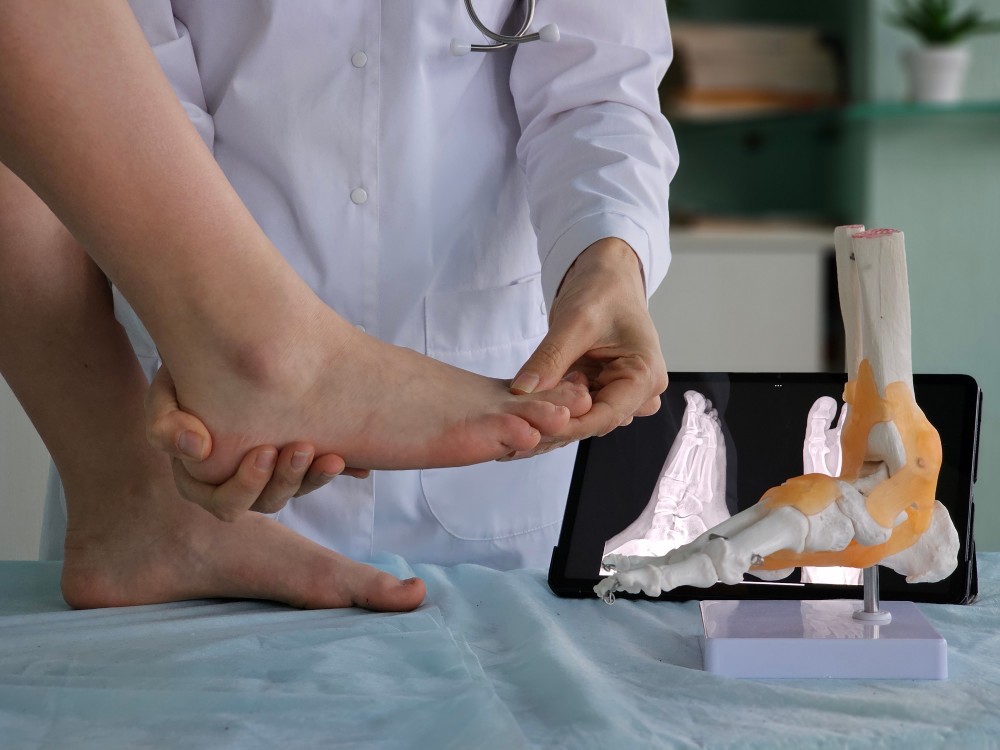
- Physical examination to assess joint swelling, tenderness, and range of motion
- Imaging tests such as X-rays, MRI, or ultrasound to detect joint damage or inflammation
- Blood tests to check for markers of inflammation or autoimmune activity (e.g. rheumatoid factor, CRP)
- Joint fluid analysis to identify signs of infection, crystals (as in gout), or inflammation

Treatment Option
At Body@Boronia, our team offers a comprehensive, tailored approach to easing arthritis symptoms through:
Osteopathy: Manual techniques to enhance joint alignment, improve mobility, and reduce pain—for all types of arthritis.
Exercise Physiology & Clinical Pilates: Strengthening and movement programs to enhance joint stability, mobility, and function, tailored to your condition.
Podiatry: For arthritis affecting feet or ankles—custom orthotics, walking and running assessment, dry needling, footwear advice, and more to support mobility and pain relief.
Our holistic strategy ensures your treatment plan addresses both the underlying causes and symptoms, focusing on long-term joint health and improved everyday function.
Living with Arthritis
With the right combination of lifestyle modifications, targeted therapies, and ongoing support, many people with arthritis can effectively manage pain, improve mobility, and maintain an active lifestyle. Regular check-ins and a personalised care plan are key to long-term joint health and overall wellbeing.
Learn more about this condition:

When to Book an Appointment
Consider contacting us if you experience:
- Persistent or worsening joint pain, stiffness, swelling, or difficulty moving
- Morning stiffness or symmetrical joint involvement
- Recurring gout attacks or concerns about osteoarthritis progression
- Impact on foot, ankle, or lower limb functionality
Call 03 9762 9445 or Book Online to arrange an appointment.
Take Control of Your Balance and Hearing. Don’t let vertigo and tinnitus disrupt your life.