

Plantar Fasciitis – What It Is
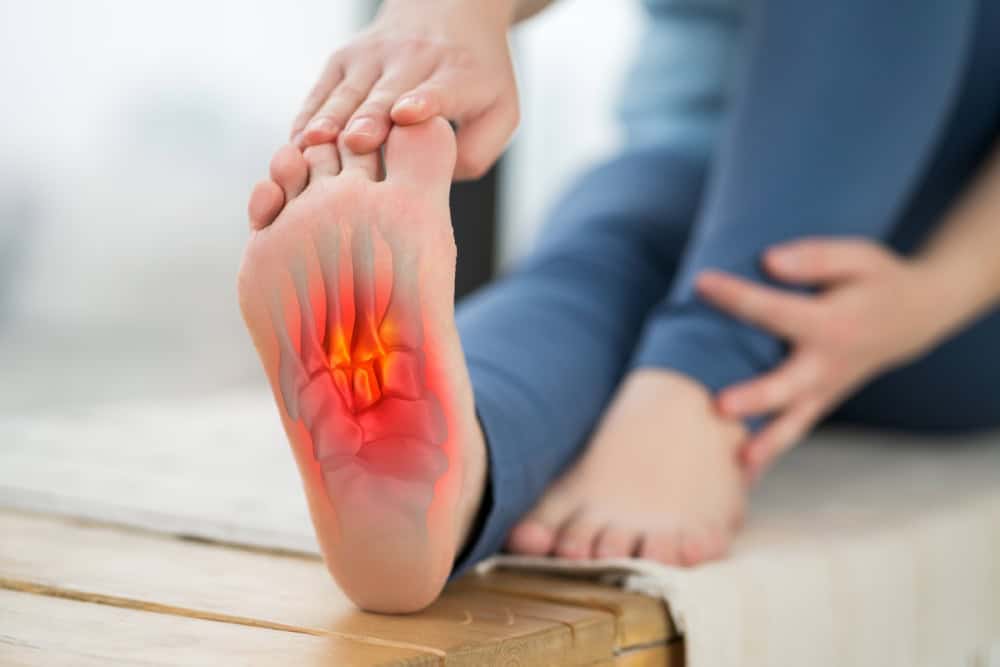
Plantar fasciitis is one of the most common causes of heel and foot pain. It occurs when the plantar fascia – a strong band of tissue running along the bottom of the foot – becomes irritated or inflamed. This tissue supports the arch of the foot and absorbs shock during walking, standing, or activity. When it becomes strained, tiny tears can develop, leading to pain that is often sharpest with the first steps in the morning or after long periods of rest.
Plantar fasciitis can affect people of all ages, but it’s particularly common among individuals who spend long hours on their feet, athletes, and those with foot biomechanics that increase strain on the heel.

Causes and Risk Factors
A number of factors can contribute to the development of plantar fasciitis. These may include:
Common Causes
- Repetitive strain from activities such as running, walking, or standing for extended periods
- Tight calf muscles or Achilles tendon
- Sudden increases in training intensity or workload
- Poorly cushioned or unsupportive footwear
Risk Factors
- People are more likely to develop plantar fasciitis if they have:
- Flat feet or high arches
- Jobs that require standing or walking on hard surfaces
- Excess body weight, increasing pressure on the plantar fascia
- Participation in high-impact sports
- Reduced ankle mobility or weakness in surrounding muscles
Understanding these contributing factors can help with more targeted treatment and long-term prevention.
Diagnosis
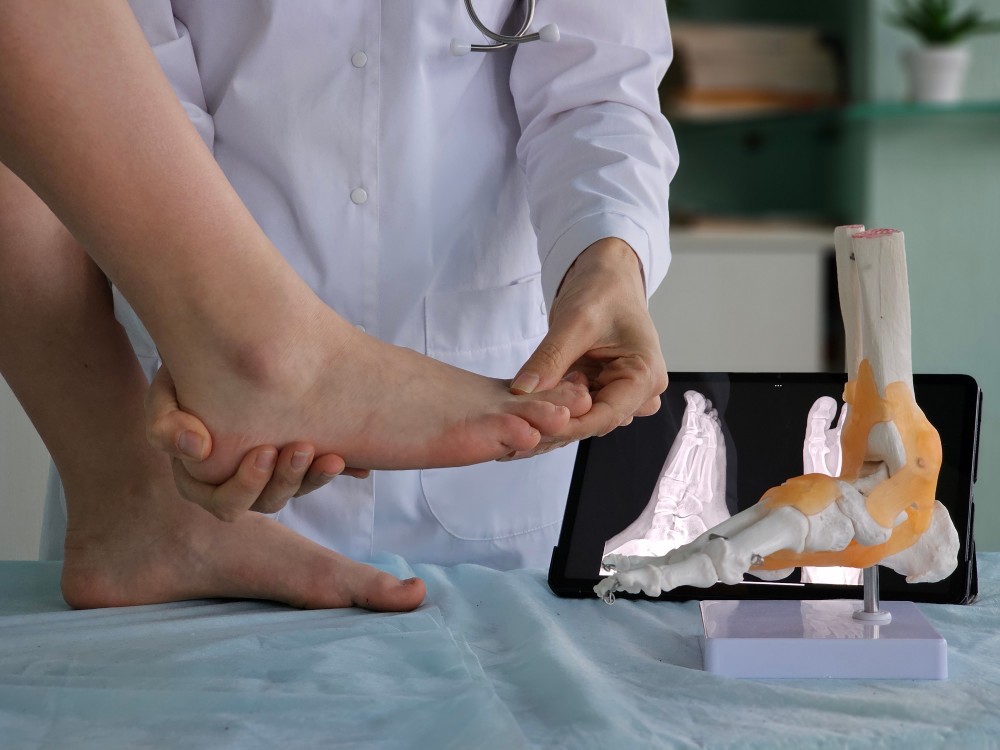
A diagnosis of plantar fasciitis typically begins with a thorough clinical assessment. During your consultation, your practitioner will:
- Review your symptoms and daily activity patterns
- Assess your foot structure, gait, and joint range of motion
- Palpate specific areas of the foot to identify tenderness
- Evaluate muscle tension and biomechanical imbalances
In most cases, imaging is not required; however, ultrasound or X-ray may be recommended if symptoms are persistent or if other conditions need to be ruled out.
A clear diagnosis ensures that treatment is tailored to your unique presentation and goals.

Treatment Option
The goal of treatment is to reduce pain, improve foot function, and support long-term recovery. Options may include:
Manual Therapy
- Soft tissue techniques to reduce tension in the plantar fascia and calf muscles
- Joint mobilisation to improve foot and ankle mobility
- Trigger point therapy targeting surrounding structures
Exercise & Rehabilitation
- Stretching of the plantar fascia and calf muscles
- Strengthening exercises for the foot, ankle, and lower leg
- Guidance on loading and activity modification
Footwear & Support
- Assessment of current footwear
- Recommendations for supportive shoes, cushioned insoles, or orthotics
- Advice on reducing high-impact stress during flare-ups
Self-Care and Symptom Relief
- Ice therapy to reduce inflammation
- Activity adjustments to minimise strain
- Education on pacing and movement patterns
Living With Plantar Fasciitis
While plantar fasciitis can be frustrating and painful, most people experience significant improvement with the right combination of therapy, support, and self-management. Building strength in the feet and lower legs, choosing appropriate footwear, and maintaining mobility can help prevent recurrent flare-ups.
Progress varies from person to person, but early intervention and consistent care typically lead to faster recovery and a return to comfortable, confident movement.
Our clinicians can help guide you through each stage – managing pain, restoring function, and preventing future episodes.

If you’re experiencing symptoms of plantar fasciitis, early assessment and treatment can make a meaningful difference in your comfort and mobility. Contact our clinic to book a consultation and begin your journey toward healthier feet and lasting relief.
Learn more about this condition:
https://www.healthdirect.gov.au/plantar-fasciitis
If you experience concerning symptoms, chat with our reception staff to make an appointment with one of our experienced therapists.